
The Truth About FBT And Your Business’s Work Ute

Cogger Gurry • November 13, 2025


The Truth About FBT And Your Business’s Work Ute

If your business provides vehicles for employees to use in their work duties, you may have heard that providing a dual cab ute is automatically exempt from fringe benefits tax (FBT). Unfortunately that’s not quite right, and believing the myth could leave you with an unexpected tax bill.


While dual cab utes can be exempt from FBT, they need to meet specific conditions, and employees’ personal use of work vehicles is an important factor.


Fringe benefits tax is what you pay as an employer when you provide benefits to your employees or their families, like allowing them to use a work vehicle for personal trips. It’s separate from income tax and is your responsibility, not your employees’.


For a ute to be exempt from FBT, it must satisfy two conditions.


Exemption condition one: must be an eligible vehicle


Your dual cab ute needs to be designed to carry a load of one tonne or more; or more than eight passengers (including the driver); or a load under one tonne, but not be primarily designed for carrying passengers.

Most dual cab utes on Australian roads do meet this first condition, but this alone doesn’t guarantee an exemption.


Exemption condition two:  private use must be limited


This is where many businesses trip up. Even if your dual cab ute qualifies as an eligible vehicle, any personal use must be minor, infrequent and irregular (according to ATO definitions of these terms).

What does this mean in practice? Think occasional trips to the tip or helping a mate move house once in a blue moon. Travel between home and work is allowed, as is incidental travel while undertaking work duties. If your employee uses the work ute as the family car for weekend getaways, school runs or regular shopping trips, FBT applies even where the vehicle is a dual cab ute.


When FBT kicks in

If your employees’ personal use exceeds the limited private use threshold, you’ll need to calculate the taxable value of the fringe benefit, work out your FBT liability, lodge an FBT return and pay what you owe, and report the reportable fringe benefits on your employee’s income statement or payment summary.


The taxable value calculation depends on the type of vehicle and how it’s used. You might use the operating cost method or the cents per kilometre method, depending on your circumstances.


Record keeping

Even if you believe your dual cab ute qualifies for the FBT exemption, you need to keep records that demonstrate the limited private use condition is met. You don’t need to maintain a formal logbook for exempt vehicles, but you should have some way to show that private use remains minor, infrequent and irregular. This could mean regularly checking odometer readings and comparing them with expected work-related travel.



July 30, 2026
New Identity Verification Requirements – What Our Clients Need to Know From 1 July 2026, new Australian Anti-Money Laundering and Counter-Terrorism Financing (AML/CTF) legislation introduced additional obligations for accounting firms providing certain services. At Brentnalls Western Victoria, we are committed to making this process as simple and seamless as possible for our clients. Why are these changes happening? The new legislation is designed to help protect Australia's financial system from money laundering, terrorism financing and other financial crime. Many industries, including accounting, legal and real estate services, are now required to verify the identity of clients before providing certain regulated services. Will everyone need to verify their identity? No. These requirements only apply where we are providing a designated service under the AML/CTF legislation. We will notify you if your services falls under this category. Many of our clients will notice no change to the way we work together. If identity verification is required, we'll let you know and guide you through the process. How does the process work? Where identity verification is required, we'll send you a secure electronic verification request. The process is simple and usually takes just a few minutes using your smartphone or computer. You'll be guided through the steps, which may include: confirming your personal details providing identification documents (such as your driver's licence or passport) completing a quick facial verification to confirm your identity. Once your identity has been successfully verified, we'll continue with your engagement as normal. Is my information secure? Yes. We use BGLiD , a secure electronic identity verification platform designed specifically for Australian professional firms. Your personal information is encrypted and handled in accordance with Australian privacy laws. How can I help? If we ask you to complete an identity verification, we appreciate your prompt response. Completing the verification early helps us commence work without unnecessary delays. Want to know more? For more information about Australia's AML/CTF reforms and why businesses may ask for identification, visit the Australian Transaction Reports and Analysis Centre (AUSTRAC): AUSTRAC – Why you might be asked for ID Questions? If you have any questions about these new requirements or the identity verification process, please contact our team. We're happy to explain what the changes mean for your individual circumstances.
July 20, 2026
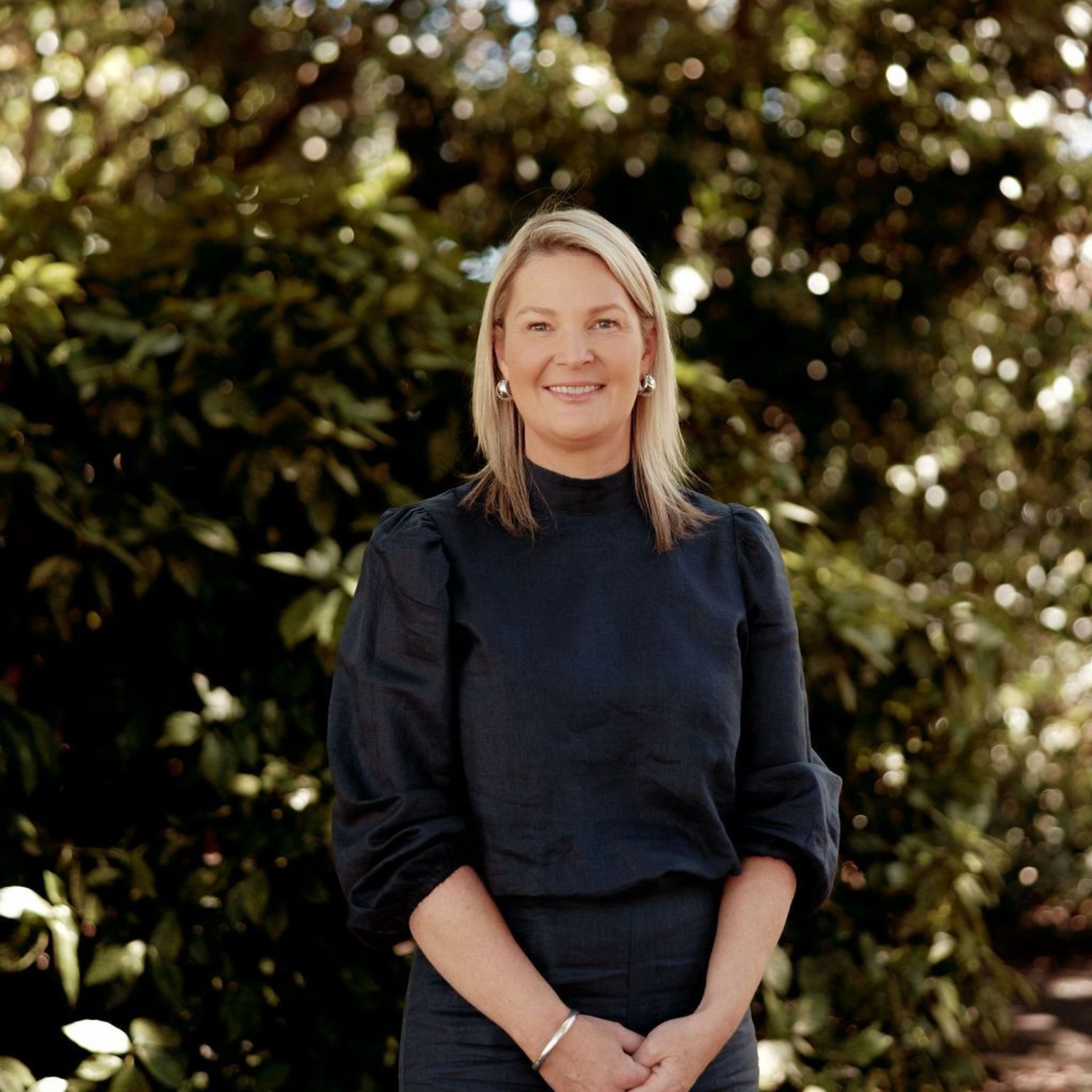
We are delighted to announce the promotion of Erin White to Principal and Business Manager at Brentnalls Western Victoria. Since joining the firm in 2024, Erin has played a key role in leading our people, strengthening our operations and helping shape the future direction of the firm. Erin's progress in the firm reflects her leadership across our business and her commitment to delivering exceptional outcomes for both our clients and our team. In addition to overseeing business operations, people and culture, strategic projects and marketing, Erin also works alongside clients to help them build stronger businesses through strategic planning and practical implementation. Having grown up, attended school and raised her two sons, Deacon and Xavier, in Western Victoria, Erin is passionate about supporting the businesses that help our regional communities thrive. Outside of work, she enjoys travelling, camping and spending time with her partner, Nathan, family and friends. Please join us in congratulating Erin on this exciting step. We look forward to the continued leadership and expertise she will bring to Brentnalls Western Victoria and to the positive impact she'll continue to have on our clients, our people and our community.
By Cogger Gurry July 20, 2026
Succession Starts Long Before Retirement With Stacey Shelden, Director, Brentnalls Western Victoria One of the biggest misconceptions I see is that succession planning begins when someone is ready to retire. In reality, that's often when families find themselves under pressure. The most successful succession plans I've been involved with didn't begin because someone wanted to step away from the business. They began years earlier, with simple conversations about the future. As we begin a new financial year, many business owners are taking stock of the year that's been and planning for the one ahead. They'll review financial performance, discuss tax outcomes, consider investments and set business goals. They're all important conversations. But I'd encourage you to ask one more question: Where do we want this business to be in ten years' time and are we preparing for that future today? Succession isn't simply about transferring ownership. It's about ensuring your business, your family and the next generation are ready for what's ahead. It means sharing knowledge, mentoring future leaders and gradually introducing the next generation to the decisions that shape the business. It means creating opportunities for them to understand not only how the business operates, but why decisions are made. Just as importantly, it means having open conversations as a family. Do everyone’s expectations align? Does the next generation actually want to take over the business? What does a successful transition look like for each family member? These conversations can feel difficult, which is why they're often delayed. Yet, in my experience, it's the families who start talking early who navigate succession with the greatest confidence. They have time to explore options, work through differing views and make decisions without the pressure of looming retirement or unexpected life events. The start of a new financial year is a natural time to think beyond the next twelve months. While you're planning for business growth and reviewing financial performance, take the opportunity to also consider your long-term vision. Because succession isn't a project to complete when retirement arrives. It's a process of preparing your business, and your family, for the future. The earlier you begin, the more choices you'll have, and the stronger your business will be for the generations that follow.
More Posts